Modern healthcare is witnessing a fundamental shift in how we think about circulation management. Instead of waiting for symptoms to develop into something serious enough for a diagnosis, more medical professionals are asking a different question: what if we could support healthy circulation from the beginning?

Traditional medicine systems around the world have known something for centuries that conventional medicine is just now embracing: circulation health influences almost everything.
Your energy levels, mental clarity, sleep quality, and even how well you recover from everyday stress all connect back to how well blood flows through your body. What’s new is that mainstream healthcare is finally catching up to this holistic perspective, recognizing the importance of cardiovascular wellness as a foundation for overall health.
The result is an approach that makes a lot more sense when you think about it. Rather than treating circulation problems after they emerge, we’re learning how natural compounds and lifestyle changes can work with your body’s existing systems to maintain optimal vascular function.
It’s proactive instead of reactive, and it treats circulation health as the foundation of overall wellness that it truly is.
The reality is that poor circulation affects millions of people worldwide. However, the encouraging news is that you don’t have to accept cold extremities or energy crashes as your fate. There are practical approaches that align with your body’s natural systems, offering genuine hope for improvement.
Why Your Circulation Deserves More Attention
Think about it—your circulatory system is basically your body’s delivery service. It’s working 24/7 to deliver oxygen and nutrients to where they’re needed, while also hauling away waste. When that system starts to slow down, you feel it everywhere.
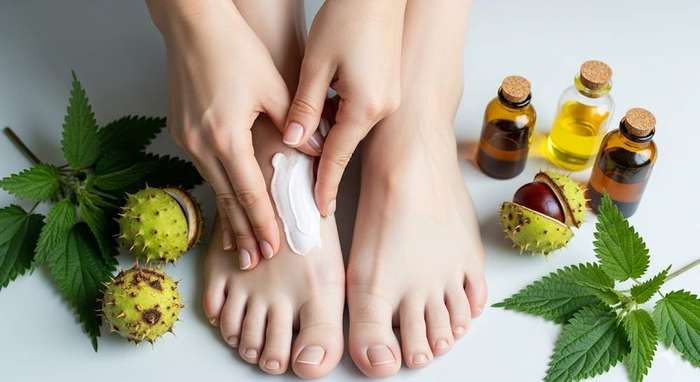
The symptoms often creep up so gradually that we adapt without realizing it:
- Those chilly hands and feet become “normal”
- Fatigue gets blamed on being busy
- Brain fog gets written off as stress
- Slow healing becomes “part of aging”
These aren’t just minor annoyances—they’re your body’s way of telling you something important. Understanding these signals can empower you to take control of your health and make informed decisions.
But what if these weren’t inevitable? What if there were practical ways to support your circulation that actually work?
Modern holistic dispensaries are changing the game by offering evidence-based natural solutions that complement whatever medical care you’re already receiving. It’s not about replacing your doctor; it’s about providing your body with additional support through nutrition and lifestyle modifications.
Caffeine: Your Circulatory System’s Friend (Really)
You might be thinking, “Another reason to drink more coffee?” But hold on—using caffeine strategically for circulation differs from simply using it to stay awake.
Research shows that moderate amounts of caffeine can actually help your blood vessels relax and improve flow to areas like your hands and feet.
The trick is timing and quantity. We’re not talking about downing espresso shots all day (that’s a recipe for jitters and sleepless nights). Instead, think of caffeine as a tool that, when used thoughtfully, can support your circulation goals.
Menthol: The Tingly Truth About Cooling Relief
You know that cooling sensation you get from menthol? That’s not just a neat party trick—it’s actually your circulation responding. When menthol hits your skin, it activates those cold receptors, which can trigger improved blood flow to the area.
Many people find significant relief from topical menthol applications, particularly when experiencing circulation-related discomfort. It’s one of those simple solutions that delivers both immediate comfort and potential longer-term benefits.
The Herbal Helpers Your Grandmother Might Have Known
Sometimes the old remedies really do have something to them. Different regions around the world have developed sophisticated approaches to circulation support using local botanical knowledge.
Mexico, for instance, has become particularly innovative in combining traditional herbal wisdom with modern research methods—creating specialized formulations that represent this fusion of time-tested ingredients with contemporary science.
Take these three circulation supporters that have stood the test of time:
- Horse Chestnut isn’t just a pretty tree. It contains compounds that help strengthen your blood vessel walls and improve circulation, especially in your legs. Traditional European medicine has used it for generations, and modern research is starting to back up why.
- Nettle might sting in the garden, but it’s packed with minerals and nutrients that support vascular health. Your great-grandmother probably knew this one—traditional herbalists have recommended nettle for circulation support for centuries, similar to how omega-3 fatty acids are now recognized for their cardiovascular benefits.
- Wormwood sounds intimidating, but it contains bitter compounds that traditional medicine associates with better circulation and digestive health.
The growing research on alternative medicine and herbal remedies keeps validating what traditional practitioners observed long before we had clinical trials.
CBD: The Stress-Circulation Connection
Here’s something interesting that not everyone realizes: stress and circulation are intimately connected. When you’re stressed (and let’s be honest, who isn’t these days?), your blood vessels constrict. It’s like your body’s highway system suddenly getting narrower during rush hour.
CBD can make a difference here. It doesn’t directly fix circulation, but it can help with the stress that’s making circulation worse. When you’re more relaxed, your blood vessels can do their job better. Plus, better stress management often leads to better sleep, and quality sleep is crucial for circulation health.
Understanding the best cannabis options for relaxation and focus can help if you’re considering this route. Just remember to start low and go slow—and definitely check with your healthcare provider first.
The connection between quality sleep and circulation is real. Holistic wellness approaches that improve sleep often see circulation improvements as a bonus side effect.
When High-Tech Meets Old-School Wisdom
One fascinating development is how technology is actually making natural approaches more effective. Those fitness trackers on everyone’s wrists?
They’re providing insights into circulation that we never had before.
Modern wearables can track things like heart rate variability and blood oxygen levels—markers that tell you a lot about how your circulation is doing. Suddenly, you can see in real-time how that herbal tea or stress-reduction technique is actually affecting your body.
Even in hospitals, technology is improving natural medicine. Barcode systems now help verify the quality and authenticity of herbal supplements, so you know you’re getting what you pay for.
Building Your Personal Game Plan

Creating a circulation support strategy doesn’t have to be complicated. Start simple:
- Pay Attention to Your Body. Notice the little things. Are your hands cold during meetings? Do you get that afternoon energy dip? Does your leg feel uncomfortable after sitting for a while? These clues can guide your approach. Consider how dietary choices might be affecting your circulation as well.
- Pick Your Battles. You don’t need to try everything at once. You might start with better stress management or experiment with topical menthol applications. Find what fits your lifestyle and build from there.
- Track What Works. Keep it simple—note your energy levels, how your hands and feet feel, and sleep quality. If you have a fitness tracker, pay attention to those circulation-related metrics.
- Stay Consistent. Natural approaches work gradually. They’re supporting your body’s own systems rather than forcing immediate changes. Think marathon, not sprint.
The Reality Check
Let’s be honest here—natural approaches aren’t magic bullets. They work best as part of a comprehensive approach to health. And while they’re generally safer than pharmaceutical options, they’re not risk-free.
Always talk to your healthcare provider before starting new supplements, especially if you’re taking medications or have health conditions. Quality matters too—look for standardized extracts, third-party testing, and reputable manufacturers.
Where We’re Heading
The integration of traditional and modern approaches to circulation health is a natural evolution in healthcare. Instead of waiting for problems to develop, we can proactively support circulation using methods validated by both time and research.

The goal isn’t to choose sides between natural and conventional medicine. It’s about having more tools in the toolkit and addressing circulation health from multiple angles. The objective is simple: supporting your body’s natural ability to maintain healthy circulation throughout your life.
Your circulation system has been keeping you alive since day one. Supporting it with thoughtful, evidence-based natural approaches—when appropriate—makes sense. You have more options now than ever before, and the research keeps expanding.
Whether you’re dealing with current circulation concerns or want to be proactive, remember that small, consistent changes often produce the most lasting results. Start where you are, use what works for your situation, and build from there. Your circulation—and your overall health—will thank you for it.